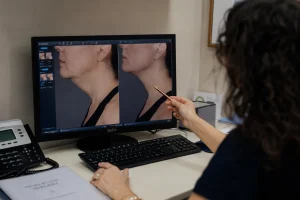
Yes, breasts settle and soften over time.
Understanding the Immediate Post-Op Changes and Mound Fullness
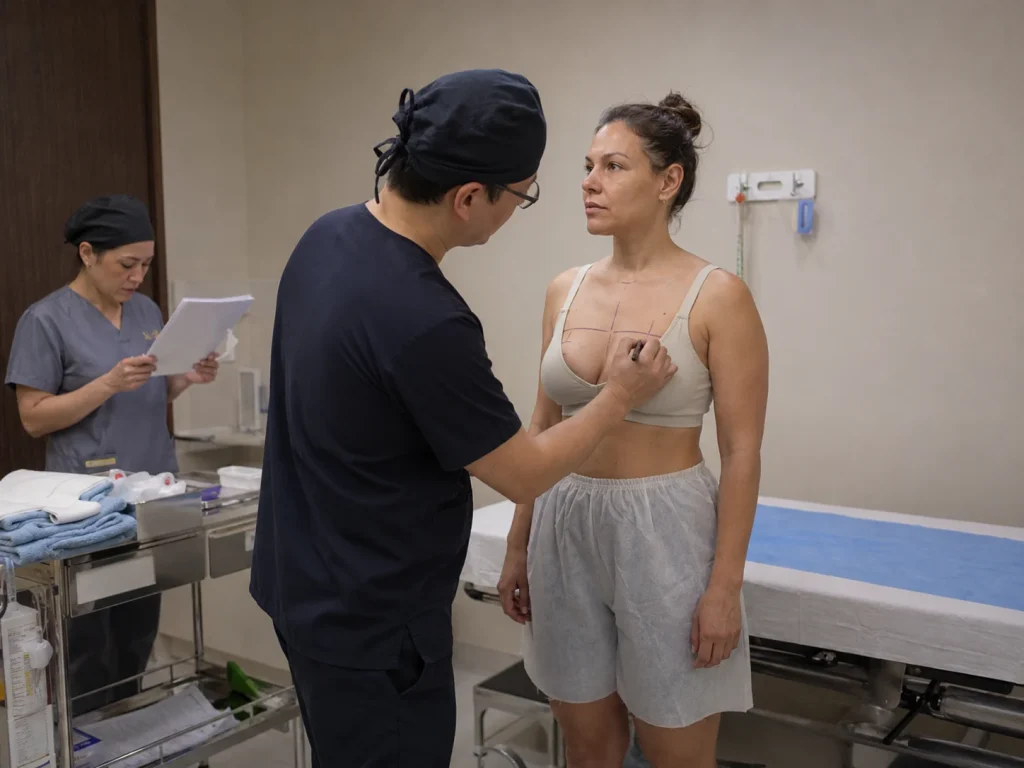
In the niche field of plastic and reconstructive surgery, to properly chart the timeline of the evolution of reduction mammoplasty, one must have a clear grasp of the complexities of tissue dynamics. Right after a breast reduction, the newly shaped breast mounds look unnaturally high, firm, and extremely projecting outwards on the chest. This sharp look is a direct effect of the dramatic intraoperative surgical tightening and the large amount of localized fluid retention.
In this main recovery period, the upper part of the breast looks a little excessive, while the lower part can appear flat or so tight that there is no room for the breast. This very high placement is a deliberate surgical plan aimed at compensating for the inevitable anatomical changes that will occur when the swelling goes down. The deep muscular layers and the superficial skin are kept under a very high level of mechanical tension, which leads to the moved tissue masses being held tightly, thus ensuring the early incisions’ stability and the protection of the vascular flaps’ integrity.
The “Bottoming Out” Phenomenon and Tissue Settling Explained
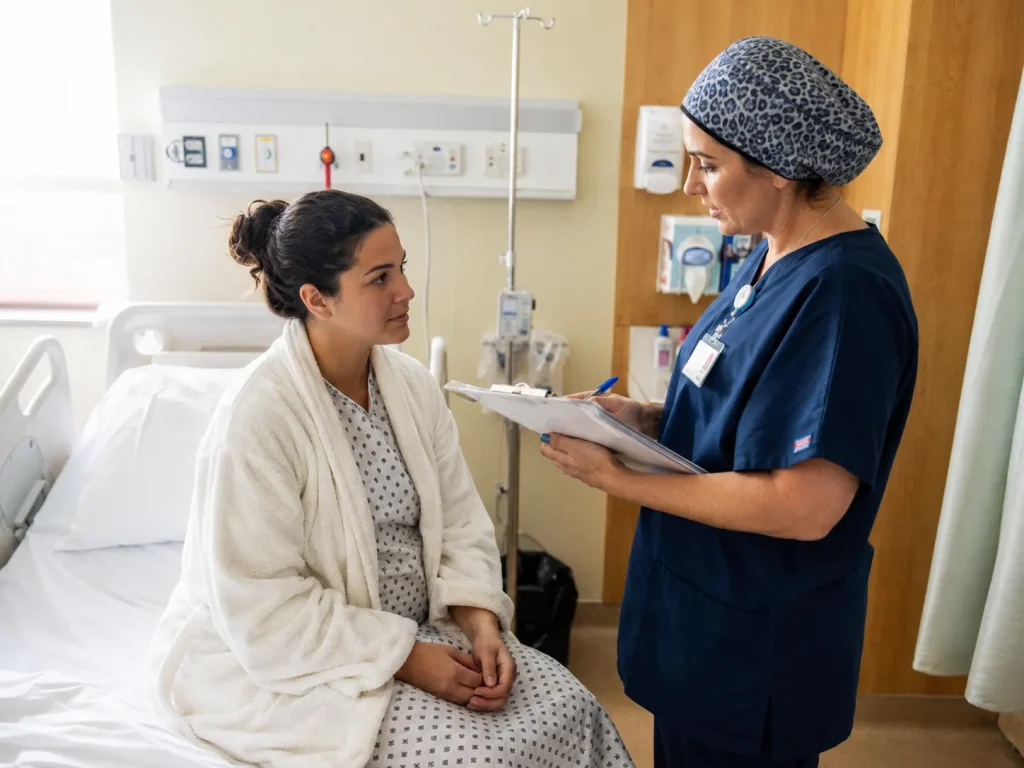
It is a completely natural and healthy phenomenon that breasts change shape and look like they fall down in the first months after the operation. This is known as tissue settling or “dropping and fluffing.” Dropping, fluffing, and changing of the shape of the breasts is simply a natural process returning the skin envelope and the underlying parenchymal tissues to a more relaxed state. It is not a result of recurrent ptosis or surgical failure and is not to be confused with the latter.
Between six and twelve weeks, as the heavy deep-tissue swelling goes away, the breast gradually follows the lead of gravity by moving downwards to complete the lower pole of the breast. This gentle shift induces the nipple-areola complex (NAC) to slightly lift into its definitive position, whereas the lower part of the breast gains a more natural teardrop shape. Through this settling period, the surgical breast form, which was rigid, is transformed into a fluid and natural breast contour.
Maintaining Lower Body Mechanics and Torso Kinetics
Following strict physical and structural rules during the tissue settling period cannot be overemphasized for highly disciplined flylife practitioners who also demand the notion of absolute perfection from their aesthetic results. For those who zealously emphasize advanced lower body engineering, gluteal hypertrophy, and maintenance of the narrowed waistline, protecting the healing chest wall is not only crucial but a part of your total visual progress. Being involved in high-impact physical activities or not supporting the breasts could lead to severe biological consequences: excessive physical bouncing forces the healing incisions to stretch, resulting in wide scars and tissue descent that may happen earlier than expected.
You must completely refrain from high-impact cardio as well as jumping and heavy lifting for at least six weeks if you want to prevent the premature stretching of the lower skin envelope as well as to protect your surgical investment. Moreover, during this period, it is absolutely impossible to include smoking and/or other nicotine-containing products into your lifestyle. Nicotine severely impairs micro-vascular kinetics, decreasing the rate of formation of the dense internal collagen networks that are required to firmly fix the uplifted breast tissue.
Effect of Gravity, Aging and Elasticity Loss
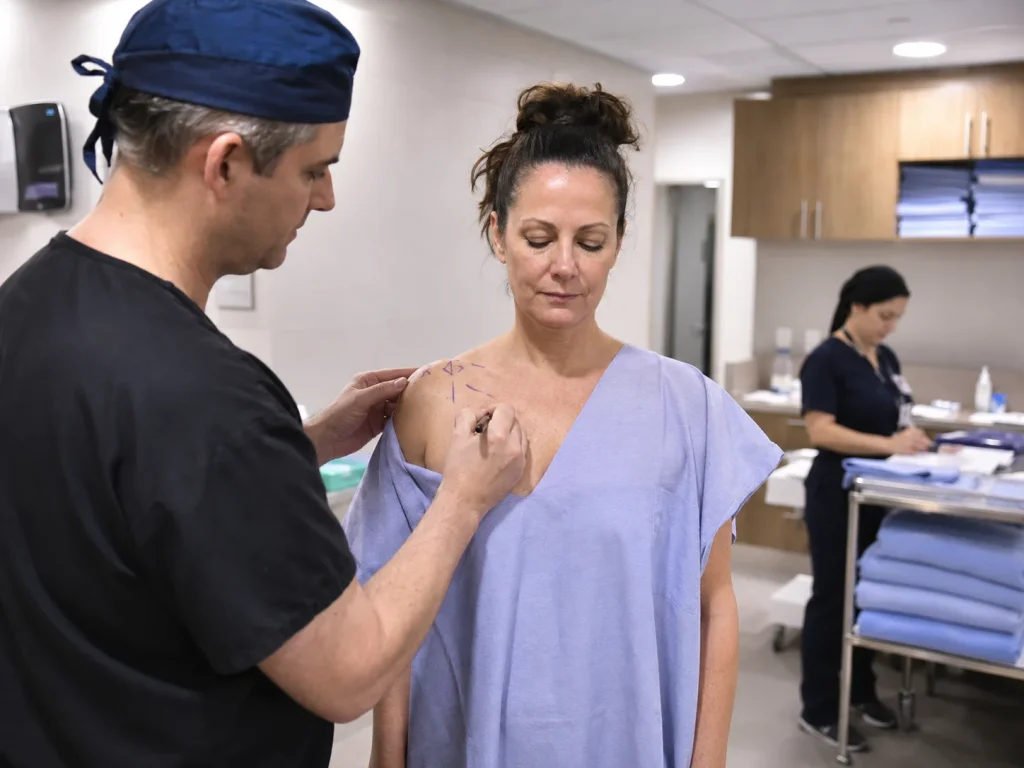
The breasts initially dropping and fluffing will reach a sort of equilibrium within six months to a year, but nevertheless, the breasts’ positions will still be affected by usual physiological and environmental factors. A breast reduction removes a significant amount of tissue, which greatly slows down the amount of future sagging, but it does not completely stop aging.
As time goes on, the regular loss of collagen in the skin and dermal elasticity will cause the gradual, very subtle changes to the bust profile. Also, major systemic changes like pregnancy, weight gain or loss, or menopause could lead to the stimulation of glandular cells that remain or to changes in the distribution of fat, which over time can stretch the skin envelope. Using a supportive bra without wires on a regular basis during active routines can act as the most effective mechanical barrier that you have to maintain your architectural stability against gravity.
Breast Reduction in Turkey
Getting a breast reduction at LIN Europe Clinic is like entering a world-first in the realm of health care solutions, where not only breast aesthetics and body transformation but also your surgery/treatment journey are managed with clinical mastery without any compromise, plus with a very deep understanding and empathetic care. Our Istanbul luxury medical facility is a worldwide leader in advanced breast reconstruction and plastic surgery, giving a distinct space where your health path strictly follows global elite patient safety standards.
When you give your trust to the team of specialists at LIN Europe Clinic in Istanbul, your recovery process will be supervised with utmost diagnostic rigor. Besides comprehensive personalized post-operative instructions, we provide changing garments and healing checklists to take you step-by-step through your tissue maturation and lifestyle integration phases. At every turn, our experienced and knowledgeable medical team stands ready to take perfect care of your body contouring investment and overall health so that you can really enjoy your dream silhouette without worries. Come and experience the world-class, comprehensive care of LIN Europe Clinic and have a perfectly balanced canvas, safely and expertly delivered, in the heart of Turkey.
FAQ:
Yes, breasts after reduction surgery will initially drop and become softer for 3 to 6 months as the swelling goes down. It is a normal step called dropping and fluffing.
From 6 to 12 weeks after surgery, most of the dramatic tissue settling happens, but it could take a whole year for the shape of the breasts to be fully stabilized.
Definitely, it’s very common for one breast to drop or soften more quickly than the other because the two sides heal at slightly different rates.
Even if you cannot stop the aging process, you can still maintain your breast appearance by stabilizing your weight and regularly wearing a supportive, good-quality bra.
Normal dropping leads to a mildly drooping teardrop shape while bottoming out is a very unusual complication where the breast tissue entirely falls below the nipple line due to a lack of support.
Kerrigan, C. L., et al. (2001). Reduction Mammoplasty: Defining the Preoperative Clinical Criteria and Tissue Dynamics. Plastic and Reconstructive Surgery, 108(5), 1196-1204.
Hammond, D. C. (2009). Short-scar reduction mammoplasty: Managing the lower pole skin envelope and long-term tissue settling. Clinics in Plastic Surgery, 36(1), 119-126.
Rohrich, R. J., et al. (2011). Advanced postoperative care and long-term architectural stability in reduction mammoplasty. Aesthetic Surgery Journal, 31(5), 587-595.