
Voice changes are usually minimal.
In the context of otolaryngology and facial plastic surgery, the nose is one of the major sound-resonating chambers of the human voice. The vocal folds within the larynx create the sound, but the nasal cavity, sinuses, and oral cavity are responsible for the “timbre” or unique quality of a person’s speech. A rhinoplasty that changes the shape of the nasal bones and cartilage can potentially alter the internal volume and airflow of the nasal passage, which in turn can influence vocal resonance.
At Lin Health Europe Clinic, we believe both the aesthetics and the function of the nose are equally important. Our international patients coming from over 100 countries to Turkey often ask us to clarify the difference between “hyponasality” (nasal congestion sound) and permanent voice changes. We are the top choice if you want a balanced and pleasing visual outcome that maintains or even enhances the natural clearness of the voice, which is a reflection of the high clinical standards we uphold in this part of the world.
How Nasal Resonance Is Related to Sound and Air Flow
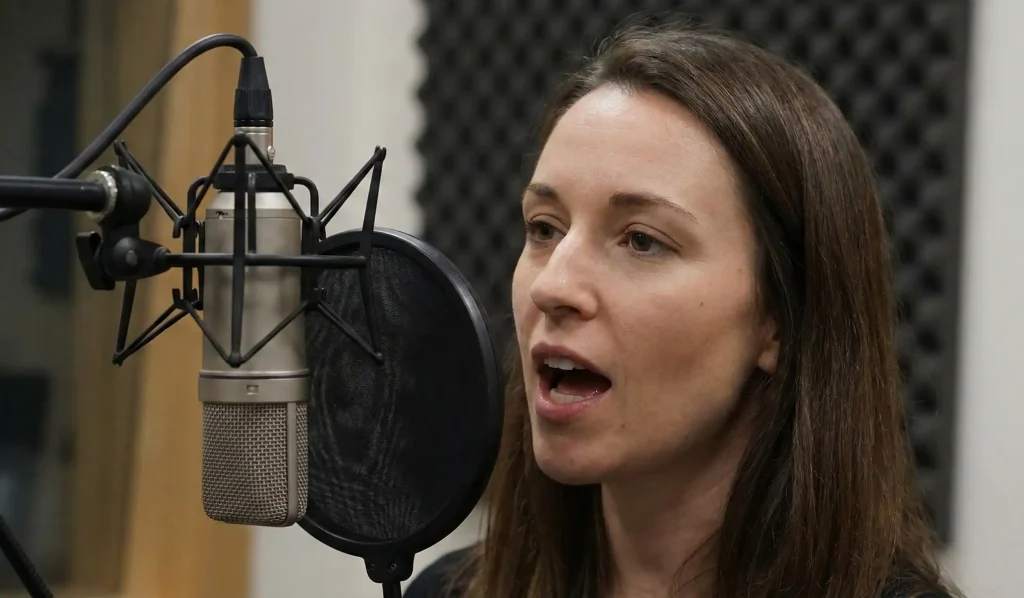
The voice through its sound is reflected by the quality of the nasal air – consonant sounds that require the use of the nose, such as “m,” “n,” and “ng.” When a rhinoplasty operation makes the nasal valves or internal airways smaller, this can cause hyponasal, which means that the voice will sound like a person who has the flu all the time. On the other hand, if the surgical procedure opens a holder-closed-way – for example, by straightening a twisted septum – the voice can become clear and more vivid.
Lin Health Europe Clinic is the place where Turkish surgeons are proud of their “functional rhinoplasty” expertise. We perform 3D virtual surgical planning and intraoperative navigation to maximize your airway patency while still achieving the appearance of your dreams. Furthermore, by getting the nose structure strong again, the patient’s voice is allowed its natural timbre. If you accept our high-end clinic, you get a surgical team that recognizes the delicate interplay between your visual and acoustic worlds.
Postoperative Phase: Voice May Change Temporarily
Almost all individuals having a rhinoplasty will have an altered voice in the immediate weeks after surgery, though this is usually temporary, with the voice returning to normal over time. The chief reason for this is post-surgical edema (swelling) of the internal mucosal lining and the presence of nasal splints or packing materials which restrict the nasal cavity physically. Hence, during that period, the nasal resonance will be diminished, resulting in a hyponasal speech temporarily.
The staff at Lin Health Europe Clinic in Turkey will walk you through step by step what to do in order to live no worse than a normal person during the initial phase of post-surgical recovery. The main point is that as the swelling goes down over the first three to six months, the voice’s original resonance is usually restored. Our center is recognized worldwide for the gentle methods used in surgeries that do not traumatize the tissue, so that less swelling occurs inside the nose. We make sure that your recovery will be at the highest level and as easy as possible so that your unique voice can be heard loud and clear along with your beautifully sculptured profile.
Vocalists and High Speakers
It is a common knowledge that even a tiny change in nasal volume can be detected by a professional instrument, let alone a trained ear. A clinical study showed that a rhinoplasty procedure that decreases the size of the nose reduces the “head voice” or higher resonant frequencies sometimes very slightly. That being said, for the great majority of cases, such alterations are so insignificant that the common listener cannot perceive them. Besides that, there are some vocal artists whose voice has become stronger and more communicative after the surgical removal of the airway obstruction.
TC Experts at Lin Health Europe Clinic are truly gifted in personalizing operations according to patient needs in Turkey. A thorough preoperative consultation allows the doctor to emphasize how important a voice is to the patient’s profession. Our clinic is the incontestably leading institution to provide high-precision services tailored to the needs of artists and orators. Inviting a top-notch clinic like ours means that your vocal imprint will be safeguarded by the most skilled surgical hands in the industry.
Besides the Cosmetic Effects of Septoplasty and Turbinate Reduction
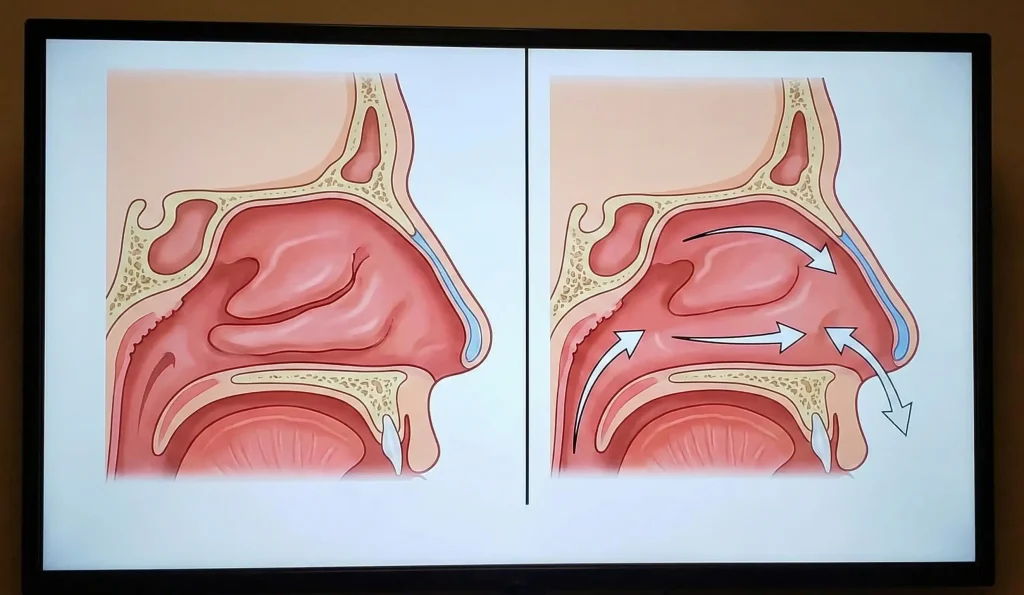
Whenever a rhinoplasty is accompanied by a septoplasty or turbinate reduction to facilitate a person to breathe better, the voice is going to benefit from such functional changes by lowering “nasal resistance.” When the changed anatomy allows signal vibrations to penetrate the sinuses unimpeded, the resultant sound may be described as richer, more open. Hence, your voice will benefit greatly if you have suffered from nasal congestion for years and your condition has been hardly manageable.
At Lin Health Europe Clinic in Turkey, we employ the most advanced medical device to unveil the black spots of your nasal anatomy. We adhere to the principle of doing as little harm as possible while removing the problem and keep on preventing empty nose syndrome or any other vocal issue at the same time. Here in our clinic, we bring together medical excellence and artistic sensitivity when it comes to proportion. We give our global patients the pleasant experience of breathing and vocalizing better than ever after having undergone our procedures.
Rhinoplasty in Turkey
At Lin Health Europe Clinic, to us, the most perfect type of rhinoplasty is one that brings out your beauty without compromising your identity. Our place in Turkey is an ideal combination of medical proficiency and personalized patient care in a luxurious setting. We operate out of JCI-accredited, state-of-the-art hospitals, which represent our position as the world benchmark for nasal surgery combining aesthetics and function.
When you choose Lin Health Europe Clinic, you are putting your faith in the most competent and talented surgical team in the whole of Turkey. Our surgeons possess unique global experience and are keenly aware that the relationship between the shape of the nose and its implications for vocal resonance is complex. You will receive professional care and courteous hospitality at every step, from your first consultation and airway examination to your last beauty unveiling, which has made us the number one name in international medical tourism. We manage your entire process to a more beautiful nose with the world’s most sophisticated medical experts at your beck and call.
Frequently Asked Questions About Rhinoplasty and Voice
In some cases, a drastic change in the internal nasal volume could lead to a slight change in the resonance of the voice. At Lin Health Europe Clinic, we offer functional procedures in Turkey that guarantee your voice stays natural and clear.
No, the stuffy voice is the result of a temporary postoperative swelling and it disappears most of the time within a few weeks. Our team in Turkey offers an exclusive treatment at Lin Health Europe Clinic that is aimed at reducing the edema quickly.
Indeed, a lot of singers have rhinoplasty done to get better breathing and sometimes their vocal performance gets better. We carry out tailor-made consultations for the talented people at Lin Health Europe Clinic to keep the voice professional.
When the airway is very limited, the voice might be hyponasal. We avoid that by combining our top-secret methodologies in Turkey with knowledge and a great commitment that is focused on keeping the airway open and in a good condition at Lin Health Europe Clinic.
Once the internal swelling has gone down, your voice will most likely sound like it used to, which is usually after 1 to 3 months. Our doctors at Lin Health Europe Clinic will keep an eye on your healing process to make sure everything is going perfectly.
Constantian, M. B. (1994). The effect of rhinoplasty on nasal airflow. Clinics in Plastic Surgery.
Grymer, L. F., et al. (1991). The effect of septorhinoplasty on the nasal airway. Laryngoscope.
Sazgar, A. A., et al. (2010). The effect of rhinoplasty on voice. Journal of Plastic, Reconstructive & Aesthetic Surgery.
Behrman, A. (2007). Speech and Voice Science.