Normal heat does not affect breast implants.
Patients who have had breast augmentation usually ask themselves unexpectedly whether or not their breasts will get hot when summer comes or a spa day is being planned. Although it may seem like a plot of a sci-fi movie, the fear that silicone might melt, change shape, or get so hot inside the body that it will be unpleasant is a genuine worry among many women. Whether it is a hot sunny day on a beach in Antalya or a steam room session, patients simply want to be sure their new curves are capable of handling the heat.
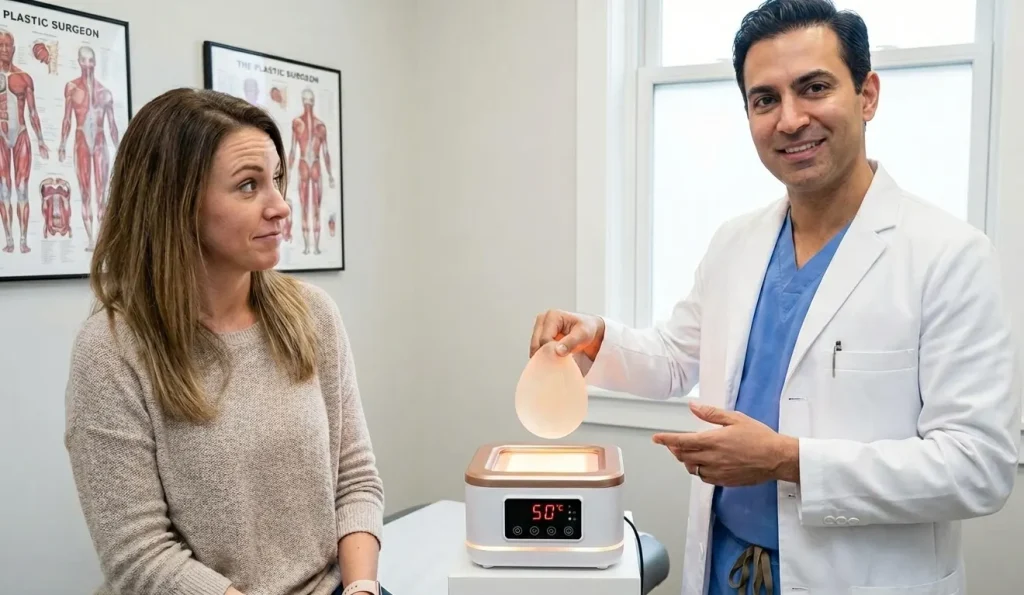
The reply to the question “Do breast implants get affected by heat?” is no, the implant itself will neither melt nor deform. Silicone of medical grade is extremely stable to heat; in fact, before arriving at the operating room, these devices are sterilized in autoclaves at temperatures of over 120°C (250°F). Nevertheless, even if the implant is out of danger, your body modifies its physiological functions in response to heat and thus, affects your healing and comfort. At Lin Europe Clinic, we encourage you to live your life to the fullest; however, to keep your results safe, you should understand certain rules especially in terms of sensation and swelling.
The Myth of Melting: Silicone Stability
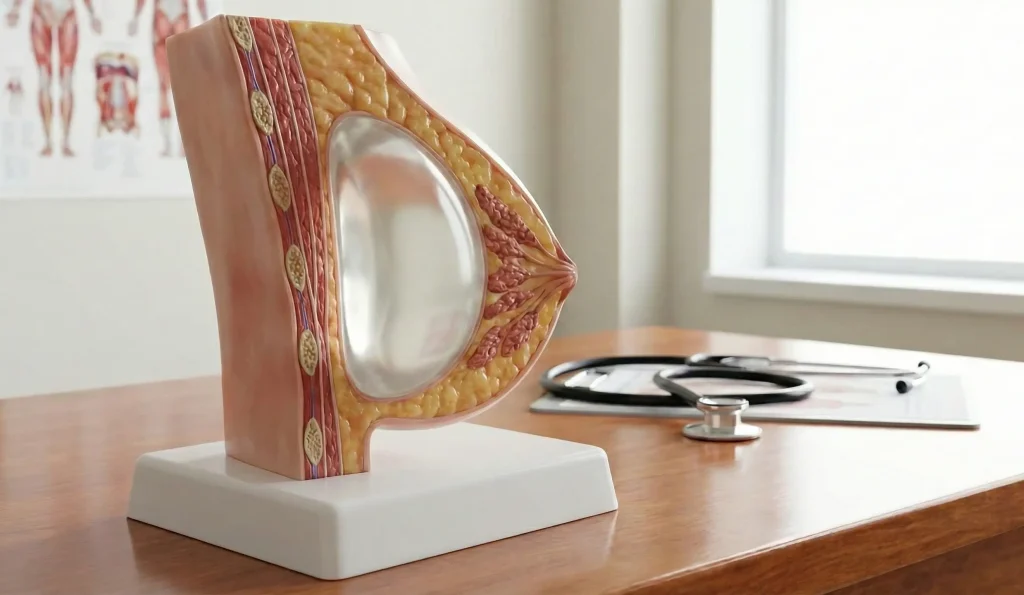
We should immediately put the most significant fear aside: the implants will never melt inside your body. Silicone is a thermal insulator, which means that the conduction of heat via it is very limited. As an example, unlike a metallic sheet that will heat up really fast when exposed to the sun, a silicone item will take a very long time to warm up. It mostly remains at your average internal body temperature (37°C), no matter what the surrounding temperature is.
Even in the case of exposing yourself to a 90°C sauna, heatstroke would prevent you from damaging your implants sooner than the latter could be structurally compromised. The viscous gel which is the implant’s filling has been chemically cross-linked so as to be able to resist even the harshest environments. Thus the device remains chemically stable and solid whether you are sunbathing or soaking in a hot tub. It is only at the “melting implants” in movies and fairy tales.
The Real Danger: Numbness and Burns
Although your implant is safe, the skin that is covering it can be easily damaged, especially if it is still fresh post-surgery. A typical post breast augmentation effect is the temporary loss or decrease of the breast skin and nipple sensation. The reason behind that is the sensory nerves of the skin which are really thin get either stretched or cut while making the implant pocket.
In the case of numbness, which leads to impaired sensation, is a very dangerous situation regarding heat. Quite often, patients cannot perceive temperature changes and therefore, they may get burned, for example, if they rest a hot water bottle on their chest to relieve, say, a back pain, or if they lean against a hot radiator. We have seen cases of patients with third-degree burns on those parts of the body where they used heating pads just because they were not able to recognize the pain as a warning sign. For such reasons, you should not allow any heat source to go near your chest without testing it with your hand or arm first.
Swelling and Healing: The Sauna Dilemma
Heat causes vasodilation, whereby your blood vessels dilate to allow more blood flow with the aim of helping your body get rid of heat. If you are in the early stages post-surgery (up to 6 weeks), taking a sauna, a hot tub, or doing a prolonged sunbath may very well result in a tremendous increase of swelling. Your body, experiencing the surgery, has to control the inflammation, and the addition of the heat does increase the volume of fluid entering the tissues, thus lengthening and pain intensifying.
Moreover, sweat is one of the infection factors. Indeed, being in a hot, humid environment such as a steam room not only makes one sweat but also brings bacteria to the wounds, thus an extremely risky situation for the healing of your incisions, even if they look like they are completely healed. The scabs become so soft that they may even fall off, and the wound is irritated due to sweat. This is the very reason why we strongly recommend you not use the sauna, steam room, and hot bath for at least 6 weeks after the surgery or until your surgeon has given you the go-ahead.
Sunbathing and Scarring
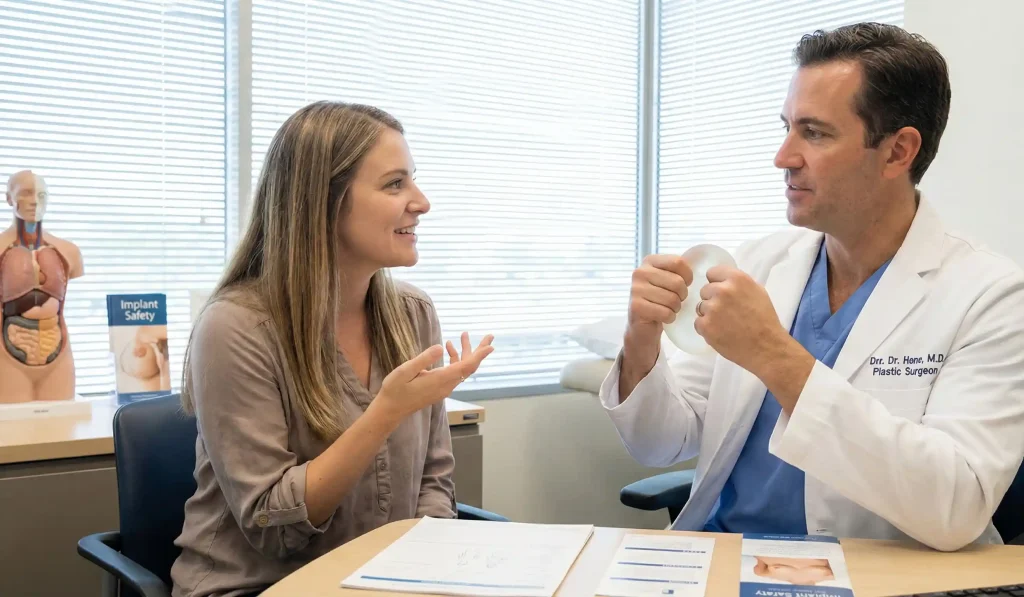
The implant doesn’t react to the sun, but the scars on your body certainly do. UV rays are the main enemy of rough or freshly healed skin. They may cause damage to the DNA of the skin cells, which is the major reason why UV exposure has to be avoided on healing scars. Sun rays should be avoided especially during the first year of the wound healing process as the scar can become dark later on (hyperpigmentation). The change from a thinner white line into a more obvious brown mark is indeed a color change that is quite difficult, if not impossible, to reverse.
That doesn’t necessarily mean that you cannot go to the beach. It only means “defensive tanning.” If you are going to be topless or wear a bikini that is very sheer, you have to put sun protection factor 50 or above either on the wounds or the same places and even cover them with adhesive tape. The heat will not deteriorate the result, but UV rays will still destroy the final appearance of your surgery.
Safety First in Turkey
It is our pleasure at Lin Europe Clinic in Turkey to help our patients plan their recovery together with a holiday. Nonetheless, we are very adamant about following the “Heat Rules“. Are we going to Istanbul soon? Do not think that you can forget the main rule of keeping the chest cool and well-protected during the first critical weeks.
It should always be kept in mind that although silicone is tough, the tissues of your body that are recovering are delicate and can be easily injured. We would like you to be able to enjoy the Turkish baths at a later time but it is all about being patient at the same time. Your best bet to have invisible scars as well as a non-complicated recovery is by shielding your chest during the early stage from the extreme heat and the UV rays.
Frequently Asked Questions About Implants and Heat
Once you are completely healed (usually after 6 weeks), saunas are totally safe and the implants cannot be damaged in any way. Nevertheless, stay away from them during the first recovery period because the heat can enhance the swelling and the sweat may cause the fresh incisions to become irritated.
No, as silicone is a material that keeps the heat inside, it will not get heated up like a metal and also will not transfer the external heat quickly. Your breasts temperature will be the same as your body temperature even if you stay in the sun for a long time.
Yes, the only thing that you have to do is keep your incisions away from the UV rays so that the scars do not become a permanent dark color. The implant itself will not get damaged by the heat and UV light, but the skin that covers the implant gets old.
No, a hot water bottle does not give off a temperature that is anywhere close enough to melting or softening the silicone. The true danger is that you might burn your skin in case you have a lack of feeling resulting from post-surgical numbness and you are unaware of the exact temperature of the bottle.
Heat makes your blood vessels get bigger (vasodilation), and this causes the rushing of fluid to the area. The use of heat in fact will triple the swelling and throbbing in freshly made surgical sites, so that’s why we advise you to use ice, not heat during the very first days.
Sarrabayrouse, M. (2002). The effects of heat on silicone breast implants. Aesthetic Plastic Surgery.
Adams, W. P., Jr. (2008). The process of breast augmentation: four sequential steps for optimizing outcomes. Plastic and Reconstructive Surgery.
Widgerow, A. D. (2019). Scar management: practical guidelines. Plastic and Reconstructive Surgery.