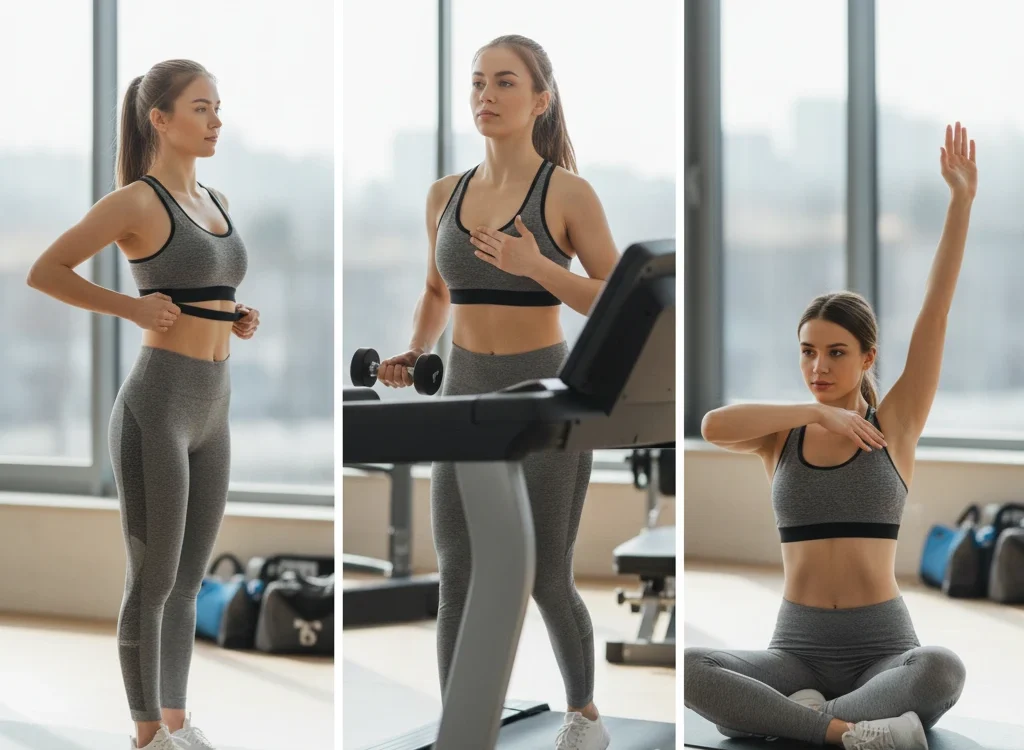
Yes, you can do sports with modern implants.
Women with breast implants can almost perform any sport safely, physiologically, and anatomically when they are given right information about biomechanics, implant placement, and recovery time. Your surgeon at Lin Europe Clinic reviews your chest anatomy, muscle activity, and sports requirements to help you perform safely. This method you keep maintaining your strength and flexibility while your soft tissue and implant are being protected. Knowing everything right, you are still able to run, lift, swim, or do yoga without any problem.
Impact of Breast Implants on Physical Activity
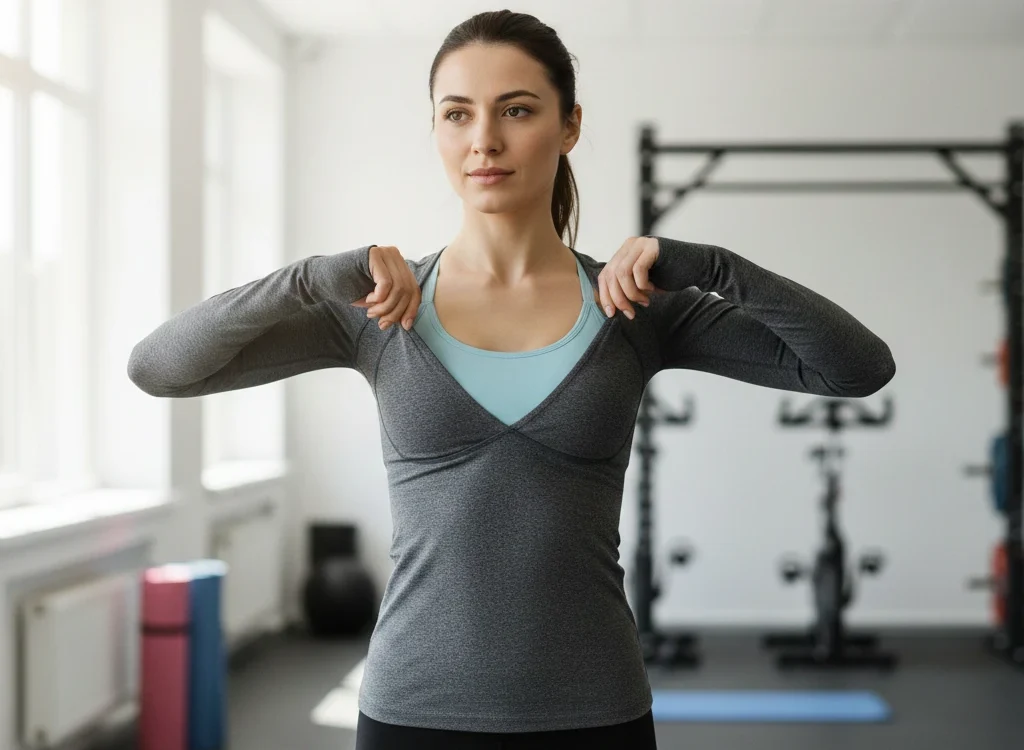
Breast implants are biologically integrated with your chest muscles and soft tissues, and the knowledge of this interaction will assist you in choosing the safest movements for your workout. When the implants are placed under the muscle they might shift a bit when the pectoral muscles get tightened, especially if the sport is of very high intensity. If the implants are placed over the muscle, then they do not get affected by the muscle in the same way but during movements that involve impact, additional support might be needed. The factors of the implant, i.e., its type, size, and profile influence the way your body reacts to different athletic routines.
Your surgeon at Lin Europe Clinic makes the factors very clear during the consultation so you are able to train safely. You will be given specialized instructions for strength training, cardio exercises, and flexibility-oriented activities. Such individual counseling guarantees that you stay comfortable, avoid overworking, and keep the neighboring tissues intact while you are in motion. As a result, with a well-organized support system, you do not have to give up your athletic progress and long-term health can even be improved further.
High-Impact Sports and Breast Implant Considerations
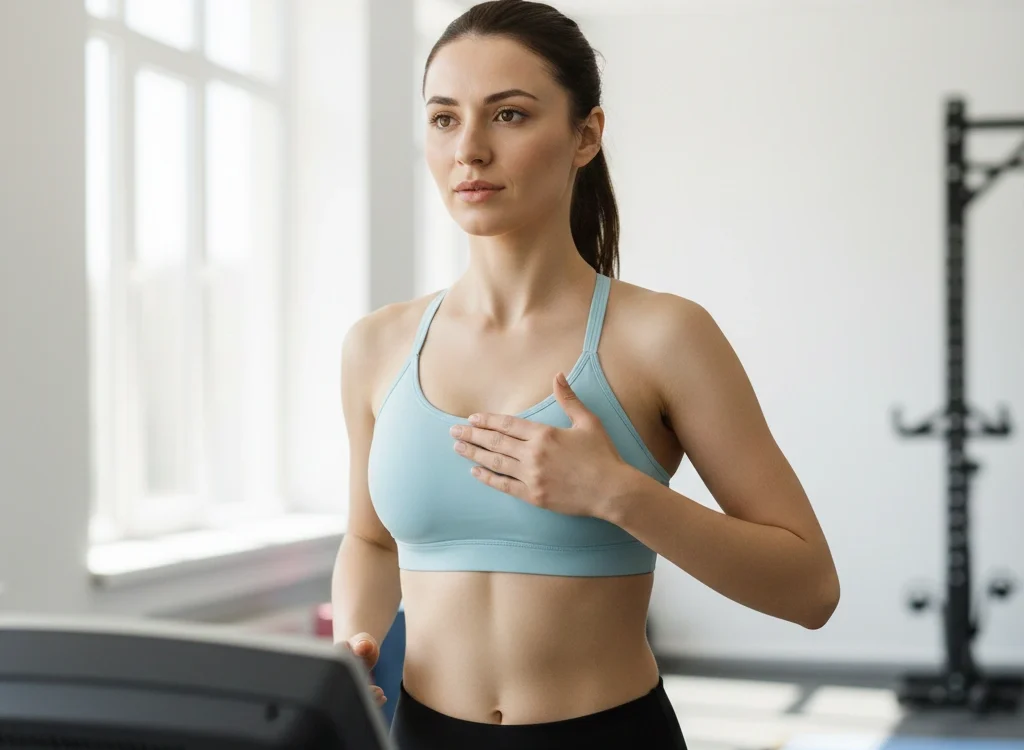
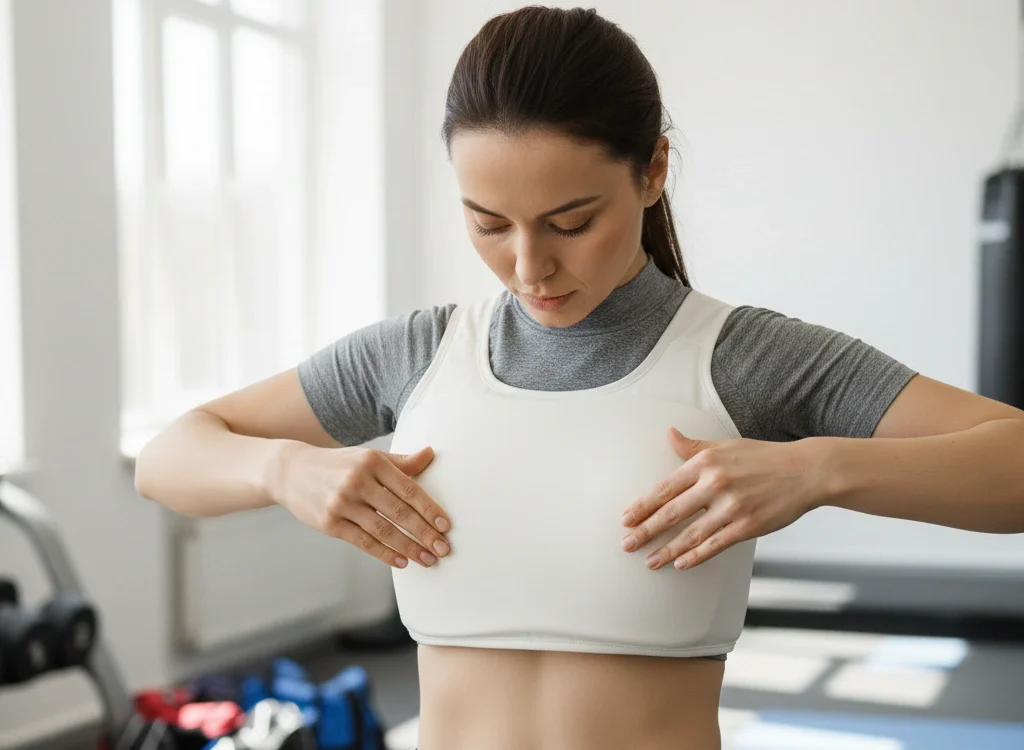
High-impact sports like running, boxing, tennis, or aerobics cause the chest to move repetitively both vertically and laterally. This movement may result in stretched soft tissue thus raising discomfort or even fatigue if you are exercising without wearing proper support. There is a high number of sporty women with implants who find it comfortable to wear high-compression sports bras as it both stabilizes the breast and lessens the volume of movement. Such a dress protects the skin envelope and stabilizes the biomechanics of the body during high energetic work.
In addition, your doctor may change your activity level during the initial phase of the recovery to help the healing of the tissues as well as the stability of the implant. After your body gets complete recovery, the majority of high-impact sports can be done again with no risk to the safety. Keeping in touch with your care team on a regular basis assists you in recognizing those moments when you feel sudden tension or fatigue and also provides you with better options to deal with these situations. Through careful foresight, you still will be able to partake in the sports you love most while at the same time preserving the aesthetic results in the longer term.
Weightlifting and Chest-Engaging Sports
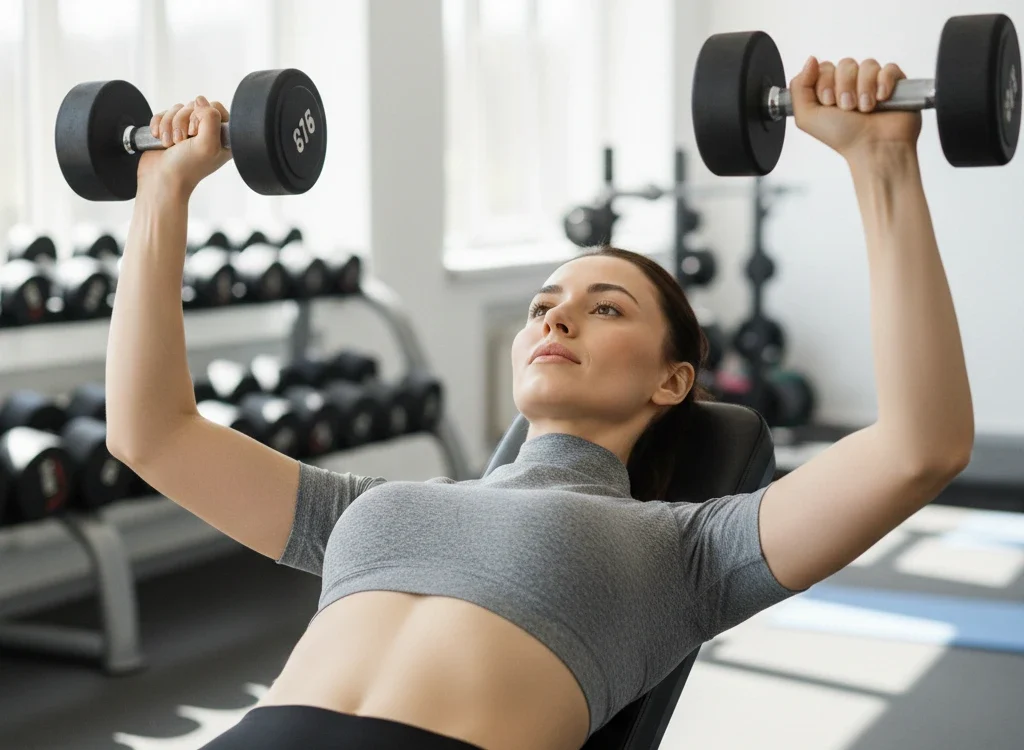
Chest-focused exercises such as bench pressing, push-ups, or cable fly routines call for you to rollout a plan carefully in case your implants have been placed under the pectoral muscle. Muscle contraction might cause the implant to be moved a little, which can result in a temporary feeling of tightness during the training. During recovery, your surgeon assesses the weight and chest volume with which you will be able to work. In that way, you will be able to develop your upper body without unnecessarily stressing the areas that are healing.
Those ladies whose implants are subglandular will have less interaction between the implant and the muscle during chest-engaging exercises. Still, they will be guided with the load progression. The gradual toning of strength gives tissue the right amount of time for regeneration and adaptation. At Lin Europe Clinic, your surgeon works with you to plan an effective and safe training routine so that you can build upper-body strength while at the same time, extending a stable position of the implant. When done correctly, weightlifting can still be a great source of fun, as well as an exercise that is safe and under control.
Swimming, Diving, and Water-Based Activities
As a full-body exercise, swimming is great for the general conditioning of the body, however, it revolves around the continuous rotation of the shoulders and chest engagement. These are the actions that put quite a bit of strain on the chest muscles, especially if you swim competitively or use techniques of high resistance. Your surgeon gives an account of how the placement of the implant impacts your comfort in the water and also suggests a proper practice schedule while you are in recovery. Upon getting back your strength, swimming will be doable without any risk or discomfort.
The nature of water polo and diving demands rapid upper-body movement along with sudden impact against the water surface. The use of specially designed swimwear, which provides firm chest support, is beneficial for implant stability as well as reduction of stress on breast tissue. Personalized advice is what Lin Europe Clinic is here for athletes who are involved in water-intensive sports and want to keep their technique up without the feeling of discomfort. Safe habits in practice are a guarantee of predictable healing as well as long-term performance.
Yoga, Pilates, and Flexibility-Based Movements

The main features emphasized in Yoga and Pilates practices are controlled breathing, spinal alignment, and upper-body extension. The two exercises help develop flexibility and core strength, however, they are quite demanding in terms of patience during recovery. Certain positions might result in the chest being the direct recipient of the load, in particular, the downward-facing positions or those movements which involve deep thoracic expansion. The surgeon leading the way through a return-to-exercise plan that is gradual so that healing of the tissue can take place before the resumption of complex movements is his role.
After recovery, the exercise can be performed safely with slight changes in support or posture. The majority of patients claim that breast implants do not restrict their flexibility when they follow the correct stretching technique. Your care team at Lin Europe Clinic is there to assist you in the early stages of the movement by giving you confidence and stability. Eventually, your flexibility and control will be as they were before and you will not experience any limitations.
Protective Measures for Athletes with Breast Implants
If female athletes are to survive through breast surgery and continue to thrive, they must learn how to take the necessary protective measures to ensure both that they are comfortable and that their soft tissues do not become overworked. Supportive athletic bras are the main accomplices in the fight against implant motion during impact. Besides that, a surgeon suggests gradual and varied training schedules that help the body get used to the coming movements in a secure manner. Having a well-organized workout plan will not only keep your chest muscles strong but also prevent you from overworking.
Increased activity is accompanied by additional care and monitoring through follow-up visits at Lin Europe Clinic. The check-ups confirm that implants keep their stability and that breast tissue is in good condition. As well, the patients receive detailed instructions regarding form, posture, and training technique so, they can go on with their active lifestyle with no doubt. Support, when at its most consistent, helps you maintain not only your performance but also your aesthetic goals.
Breast Implants in Turkey
Turkey is a place where you can take advantage of state-of-the-art medical technology, skilled plastic surgeons, and an expansive program of care for breast augmentation. The choice of Istanbul is made by a great number of patients due to the city’s cutting-edge surgical facilities and the various forms of treatment programs which are made on an individual basis. Your care team at Lin Europe Clinic is all about the structured assessments, precise surgical planning, and the safe postoperative stage of the patient. In this way, the patients are being supported by a well-rounded method for results that are both predictable and recovery that is comfortable.
References
Handel, N. (2013). Breast implant complications: Diagnosis and management. Plastic and Reconstructive Surgery.
Tebbetts, J. B. (2010). Implant pocket control and breast aesthetics. Aesthetic Surgery Review.
Spear, S. L. (2012). Management of breast implant malposition. Clinics in Plastic Surgery.
Adams, W. P. (2016). Tissue-based planning for augmentation mammoplasty. Journal of Aesthetic and Reconstructive Surgery.
Nahabedian, M. Y. (2015). Revision breast surgery: Techniques and outcomes. Aesthetic Plastic Surgery.
Frequently Asked Questions About Sports and Breast Implants
Usually high-impact sports such as running or boxing may become more difficult in a sense that they increase the chest movement, which may cause discomfort or pain. Using proper support and progressive training most women are able to perform these activities safely.
It is possible to lift weights safely and successfully if you follow the recommendations of your surgeon and work on increasing the workload gradually. A well-thought care plan is aimed at protecting the chest muscles and the stability of the implant.
Running can be continued without any problems provided that there is structured support and strong chest stabilization. The use of high-compression sports bras eliminates excess movement and helps in preventing injuries to the soft tissue.
After a few weeks, most patients can return to light activities, and full sports are usually allowed when a surgeon confirms tissue healing. The implant placement and overall recovery progress are the factors that determine your load of work.
If you are properly supported and you follow the clinical safety recommendations, implants will remain stable during exercise. The use of high-quality implants is one of the measures for safe participation in sports.