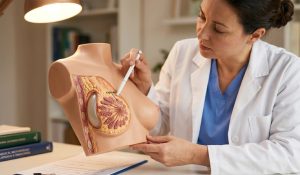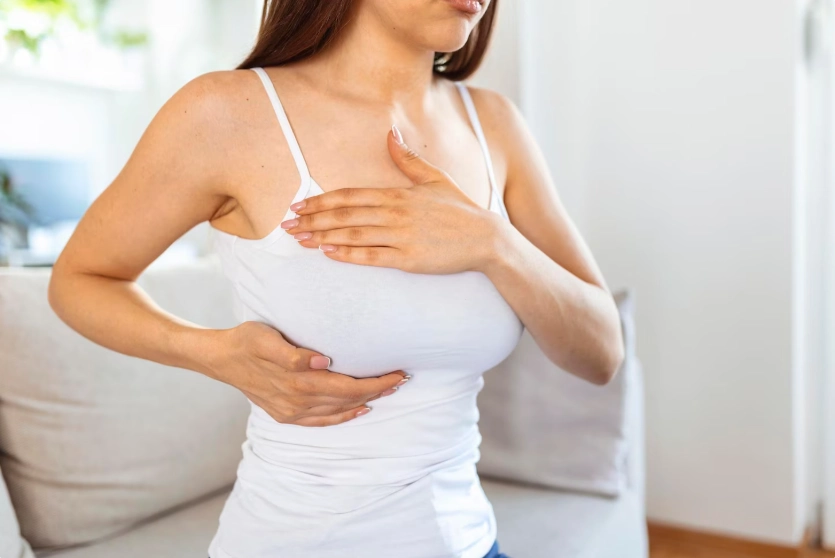
Breast augmentation is a life-changing operation that increases the size, changes the shape, and improves the general look of the breasts. If you’ve had the procedure or are planning to get it, it will be very helpful for you to know the stages of recovery. Here is the write-up about breast augmentation surgery one week post-op that lists out the expected recovery period and gives some tips on the journey towards recovery. At Lin Health Europe in Istanbul, we are dedicated to making the process from you more relaxed, safe, and successful.
Understanding the First Week of Breast Augmentation Recovery
The first week post-breast augmentation surgery is fundamental for the body to heal properly and to lower the chances of having any complications. The body is getting used to the new implants during this period. You will probably be swollen and bruised, and in addition to that, your body will be on its way to the healing process which will cause discomfort. Your doctor will advise you to wear a surgical bra which will give you the needed support and at the same time, the least amount of pain. Most patients in their recovery period share that they are sore and tight, but these feelings are temporary and will slowly fade with time.
The healing of your body will be affected by a number of factors such as your general health, implant type, and the surgical technique used. It is highly likely that the first few days you will feel more discomfort if the implants went under your chest muscle than if they were placed above the muscle. Even so, the key to be remembered is that these sensations are the body’s way of signaling that the transition has taken place and the pain will decrease as your body adjusts to the implants.
Key Recovery Milestones One Week After Surgery
The end of the first week is when the swelling and bruising that are almost always seen in breast augmentation start to improve. The pain that you feel will also be more tolerable and you might not need the stronger pain medicines anymore. This is the time when your body is getting used to the implants, and most patients are able to move a bit and feel better to some extent.
There will still be swelling and tightness but their severity will be lighter. Your doctor may check your wound to make sure that it is healed properly and these places will become closed due to the healing process. Nevertheless, the importance of staying away from heavy physical activity cannot be overemphasized as it will sabotage your healing process. You will be able to execute light daily tasks and the only thing that you must strictly stick to is avoiding movements that are too energetic.
Managing Pain, Swelling, and Discomfort in the First Week
Pain, swelling, and discomfort after the operation, breast augmentation are the major first-week recovery issues that everyone is likely to experience. The degree of pain differs from one person to another, but it is usually controllable with the use of prescribed or over-the-counter pain medications. Swelling is part of the healing process and will gradually shrink, although some mild swelling may still be there for several weeks.
You need to be very careful not to miss out on the surgeon’s instructions if you want to effectively manage these signs. Wearing the surgical bra as per the recommendation of the doctor can not only decrease the swelling but also support the implants during the healing process. The procedure of resting with the upper body raised can be a great help in reducing discomfort caused due to the accumulation of fluid. The use of cold packs (but not in direct contact with the skin) can also give relief from swelling during the first few days.
How to Care for Your Breasts After Surgery
The best way to accomplish a successful recovery is through proper aftercare. Wearing the surgical bra as recommended by your surgeon will give ample support to your breasts as well as the implants. At the same time, the implants will be moving less due to the healing process thus you will not be disturbing them by any unnecessary movement.
Hygiene is a very important aspect in recovery. Your doctor will leave very specific instructions on how you are to treat your incision sites. It is a must that the area be kept clean and dry to prevent infection. Even though you may have a shower after a few days, it is recommended not to let the water directly hit down on the incisions until your surgeon confirms that it is safe.
Trying to lift or do anything that will require the use of your body more than the usual during your first week is a big no-no. Heavy lifting, jogging, doing aerobics, or any activity that requires you to move quickly or with great force can pull on your healing tissues and alter the position of your implants. Always adhere to the advice of your surgeon as to when it is appropriate to get back to normal activities.
Signs of Healing and When to Seek Medical Help
At one week post-op, the first signs of healing should be visible. Swelling and bruising will be going down, and the incisions will be getting healed. It is very comfortable and convenient to be mobile and thus if you are able to do so, you can conclude that you are on the right track.
Nonetheless, being alert and cautious in the signs of possible problems is very important. Increased redness or swelling around the incisions, severe pain, and any discharge or unusual drainage from the surgical site that you may notice are examples of infection symptoms that you must be in touch with your doctor straight away. A low-grade fever and persistent discomfort may also require the doctor’s intervention.
Although complications may be few, the closest attention to your recovery will make sure that potential problems are gotten early points. In case you are confused about symptoms or are simply unsure about your healing progress, then you ought not to hesitate in contacting your healthcare provider for their input.
References
- American Society of Plastic Surgeons. (2020). Breast Augmentation: What to Expect. Retrieved from https://www.plasticsurgery.org
- Lin Health Europe. (2023). Post-Operative Care for Breast Augmentation Patients. Retrieved from https://www.linhealth.com
- Mayo Clinic. (2021). Breast Augmentation: Risks and Recovery. Retrieved from https://www.mayoclinic.org
Frequently Asked Questions About 1 Week Post-Op Breast Augmentation
Swelling and bruising will begin to reduce, and discomfort will ease. You may still feel tightness, but it should improve over time.
Swelling can last a few weeks to a few months. Most swelling will decrease significantly after 1-2 weeks.
Yes, you can return to work if your job doesn’t require heavy lifting or strenuous activity.
Take pain medications as prescribed, wear your support bra, and rest with your upper body elevated to reduce discomfort.
Signs to watch for include increased redness, swelling, pain, or unusual discharge from the incisions. Contact your surgeon if you notice these symptoms.