People often relate liposuction to the word seeing wild before-and-after pictures or a quick way to get rid of body fat. However, in reality, the story is quite different, being more scientific, medical, and oriented towards patients’ understanding. At Lin Health Clinic in Istanbul, beauty that is close to nature is only the starting point. Life, heredity, and time can all impact our looks and feelings, and sometimes, the most reliable solution is to seek professional help. Liposuction done with safety and perfection can provide the patients with results in the long run and a rebirth of confidence—no need for sacrificing safety.
This article presents you with information ranging from the genuine risk, surgeons preventing complications, through recovery to the reason why correct care leads to the safe, long-term results.
Understanding Liposuction and Safety Standards
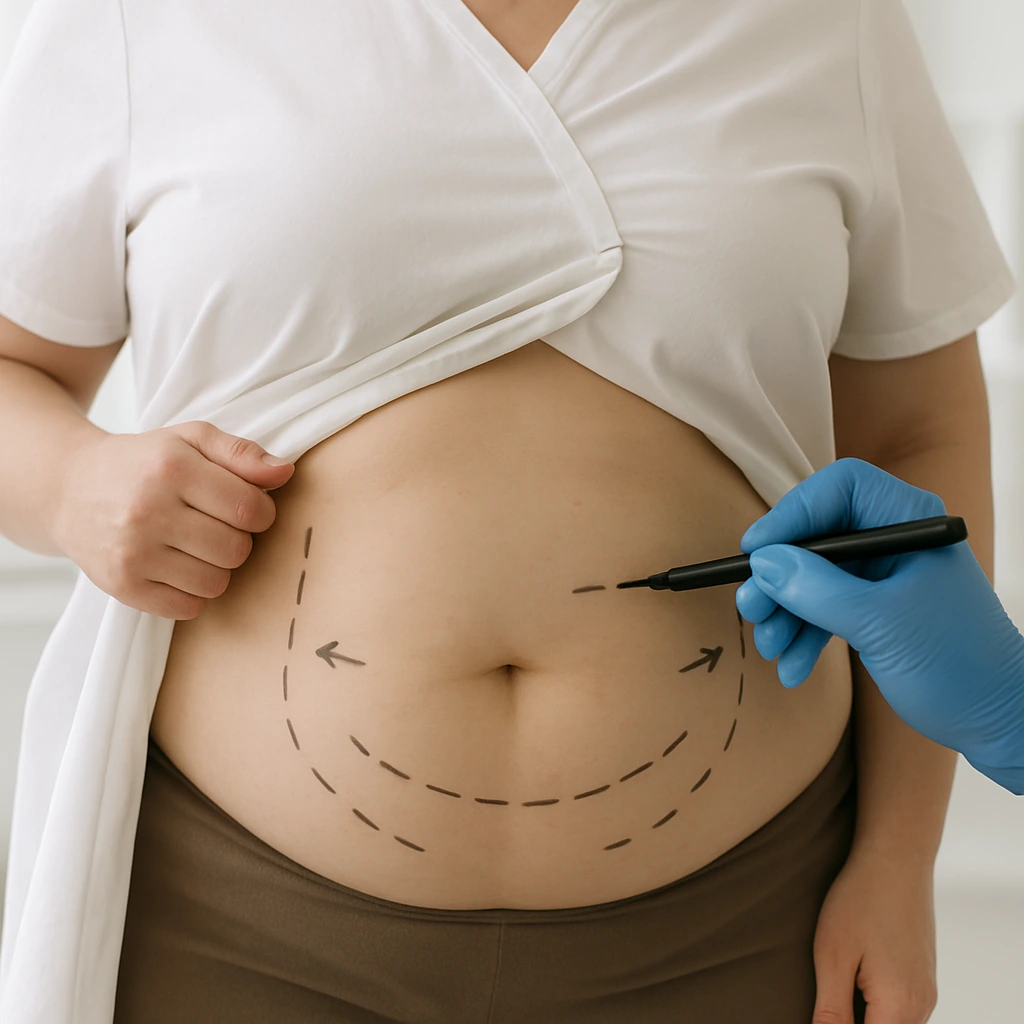
Liposuction is the surgical method of fat removal that extracts fat deposits that are difficult to dissolve from the belly, thighs, arms, or chin areas. While diet and exercise work on fat tissues, liposuction targets and removes the fat cells one by one, thus the patient gets a reshaped silhouette.
It is a procedure that requires making a small cut, inserting a hollow tube called a cannula, and acid injecting the fat acid by controlled suctioning. At Lin Health Clinic, every measure is in line with the global safety guidelines and happens with the application of advanced surgical protocols.
The main factors to ensure the safety of a liposuction are:
- Choosing the appropriate patient for the operation
- Employing the usage of the most modern medical tools
- Observing the patient’s condition throughout the operation
- Strictly abiding by the infection control measures
Lin Health Clinic is the major player in the attractive city of Istanbul and merges plastic surgery, hair transplants, facial aesthetics, and general surgery, all under one roof. This facility with the specialized team ensures that patients are given well-planned treatment which decreases the possibilities of complications and also promotes healing efficiency.
Common Risks of Liposuction Explained
On account of every medical procedure, the risk is inevitable, but modern liposuction is still regarded as very safe by surgeons in the case of proper credentials as a result. The most common risks include:
- Bruising and Swelling: A temporary symptom which is the result of the movement of the body fluid and the healing process.
- Infection: Although rare, it is still a possibility and can be well controlled by the use of sterile techniques and antibiotics.
- Irregular Contours: If the removal of fat is done unequally, these surface irregularities may become visible without the precise performance of the procedure.
- Fluid Imbalance: The body may react if too much fluid is removed but with proper monitoring this is a non-issue.
- Numbness or Sensitivity: Changes in skin sensation during which the nerve endings are temporarily affected, commonly disappear by themselves.
These risk factors are very serious; however, they still become rare and manageable if the operation is performed in a reputable clinic such as Lin Health Clinic.
Table: Risk Factors vs. Safety Measures in Liposuction
| Risk Factor | Possible Effect | Safety Measures at Lin Health Europe |
|---|---|---|
| Bruising & Swelling | Temporary discomfort | Compression garments, gentle surgical techniques |
| Infection | Redness, fever, pain | Sterile instruments, prophylactic antibiotics |
| Irregular Contours | Uneven results | 3D body contouring planning, precision cannulas |
| Fluid Imbalance | Dizziness, fatigue | Careful fluid management, continuous monitoring |
| Numbness/Sensitivity Changes | Temporary altered skin sensation | Nerve-safe techniques, follow-up examinations |
| Blood Clots (rare) | Circulatory complications | Early mobilization, compression stockings |
The table depicts that each risk threat has a corresponding risk prevention method by which the danger is not only eliminated but the health of the patient protected along the path.
How Surgeons Minimize the Risk of Liposuction
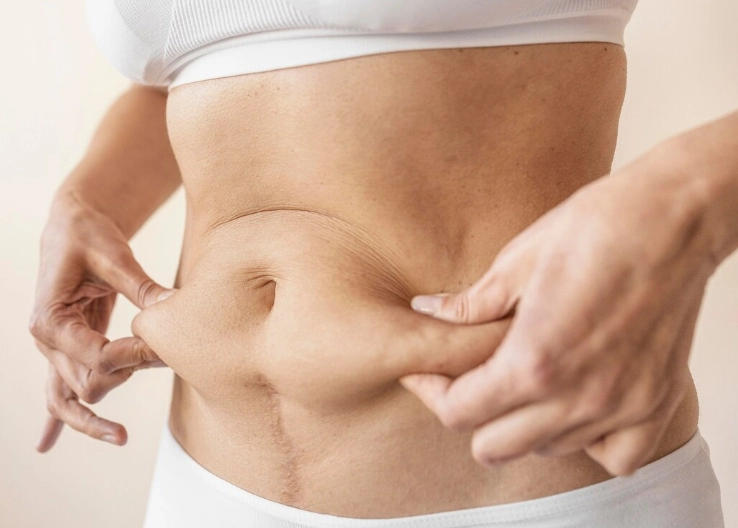
At Lin Health Clinic, the procedure of liposuction is not considered a fast or cosmetic-only operation in any case. It is a medical operation that requires the master’s hands skilled in this field. These reasons explain why the doctors there use an advanced method like tumescent liposuction where they anesthetize, inject saline solution with epinephrine, and at the same time they suction the fat. This method helps less bleeding, fat can be taken more easily and the safety of the operation increases.
Patient safety is maximized by:
- Pre-surgery evaluations: Blood tests, ECG, medical history interview, etc. ensure the fitness for surgery of the patient.
- Modern anesthesia protocols: Local or general anesthesia is always based on the health profile of the patient.
- Intraoperative monitoring: The way vital signals such as heart rate, oxygen saturation, and blood pressure are monitored continuously during surgery.
- Teamwork approach: Besides the doctor, anesthesiologist(s), and the nurse(s) also participate in the surgery, which can lower the risk from the respective sides.
It is this type of care, through which Istanbul a safe plastic surgery city in the world and Lin Health Clinic gets the trust of the international patients.
Liposuction Recovery: What Patients Should Know
The process of restoration after liposuction is a slow process. However, it is a safe one and the patients can be sure of it if the doctors follow the procedure.
- First 48 Hours: Compression wear, mild pain, and short-term medication like analgesics may be necessary are the things patients do/do not experience.
- First Week: Inflammation starts going down, and the patient is allowed to walk.
- 2–3 Weeks: The bruises fade, the majority of patients feel well enough to return to the office, and they also do light exercises.
- 1–3 Months: Most of the final results become visible as the swelling disappears completely.
During the recovery period, Lin Health Clinic gives follow-up appointments as per each patient’s need. The check takes place to look at progress in the healing process and make sure that no complications have occurred.
Patients are thus committed to a healthy lifestyle which includes a well-balanced diet, hydration, and regular exercise in order to keep the results over a period of time. This pledge to aftercare is one of the main safety factors in present-day liposuction.
Long-Term Results and How to Stay Safe
Liposuction results will last a long time because fat cells do not regenerate in the treated areas. Nevertheless, patients should live a healthy life to keep the results. If one gains weight, fat will still be able to be stored in the areas that were not treated.
The philosophy at Lin Health Clinic is not only about shaping the body but also about sustaining beauty through health. This covers the following:
- Continuous visits with a doctor after the operation
- Guidance in choosing the right foods
- Exercise programs suitable for the patient
- Psychological support for self-image and confidence enhancement
So, they go out of the clinic with new and improved body shapes and the resources for their maintenance without any risks for the next few years.
Final Thoughts
Is liposuction a dangerous procedure? The answer is a “No” unless it is done by a professional qualified surgeon under the right conditions. A clinic where scientific research, safety, and artistry mix is what the solution is all about.
Patients of Lin Health Clinic (located in Istanbul) find out that the splendor of nature is only the starting point. Lipo is no longer just taking out the fat, but with the help of skilled plastic surgeons, state-of-the-art facilities, and a pledge for ongoing care, it is turning into a safe, change of character journey, a confidence that becomes one again.
References
- Illouz, Y. G. (1983). Body contouring by lipolysis: A 5-year experience with over 3000 cases. Plastic and Reconstructive Surgery, 72(5), 591–597. https://doi.org/10.1097/00006534-198311000-00002
- Fruhstorfer, B. H., & Malata, C. M. (2003). A systematic review of liposuction techniques: Past, present, and future. Aesthetic Plastic Surgery, 27(5), 368–381. https://doi.org/10.1007/s00266-003-3014-8
- Shiffman, M. A., & Di Giuseppe, A. (2006). Complications of liposuction: Prevention and treatment. Clinics in Plastic Surgery, 33(1), 129–163. https://doi.org/10.1016/j.cps.2005.08.004
Frequently Asked Questions About Liposuction
The risks include swelling, bruising, infection, fluid imbalance, or contour irregularities. At Lin Health Europe, these risks are minimized with advanced safety protocols and precise surgical planning.
Yes, liposuction is safe long-term when performed by skilled surgeons and combined with a healthy lifestyle. Fat cells do not regrow in treated areas, which makes results durable.
Most patients experience mild to moderate soreness, similar to muscle fatigue after exercise. Pain is well controlled with modern anesthesia and post-surgery medications.
Yes, liposuction is considered safe when performed in accredited medical facilities by skilled surgeons. Modern techniques, such as tumescent liposuction, have further reduced risks and improved recovery.
Most patients between ages 18 and 60 can safely undergo liposuction if they are in good health. The ideal age depends more on medical condition, skin elasticity, and realistic expectations rather than a strict number.
Liposuction can be highly worth it for patients struggling with stubborn fat that does not respond to diet or exercise. It provides long-lasting body contouring results and can significantly improve self-confidence.
Yes, liposuction is very effective and safe for removing localized belly fat. Surgeons carefully monitor fluid balance and use precise techniques to achieve smooth, natural-looking results.